Lanyon Homestead
Tharwa Dr, Tharwa ACT 2620, Australia
ClosedToday 10:00 – 15:00 · by the venue's published hoursFull hours
Some links are affiliate links — if you book through them we may earn a small commission, at no extra cost to you. It never affects our Spot Score or what we recommend.
Opens a Klook search for this name. It is not confirmed availability or a confirmed listing — check the result matches before you book.
A historic colonial homestead at Tharwa near Canberra with a 4.5 rating across 386 reviews.
Practical details
Opening hours
Closed- Monday
- Closed
- Tuesday
- Closed
- Wednesday
- 10:00 – 15:00
- ThursdayToday
- 10:00 – 15:00
- Friday
- 10:00 – 15:00
- Saturday
- 10:00 – 15:00
- Sunday
- 10:00 – 15:00
Menu
Menu link from the venue's own website. Prices and items can change — the venue's page is the source of truth.
Open menuWhy it's worth checking out
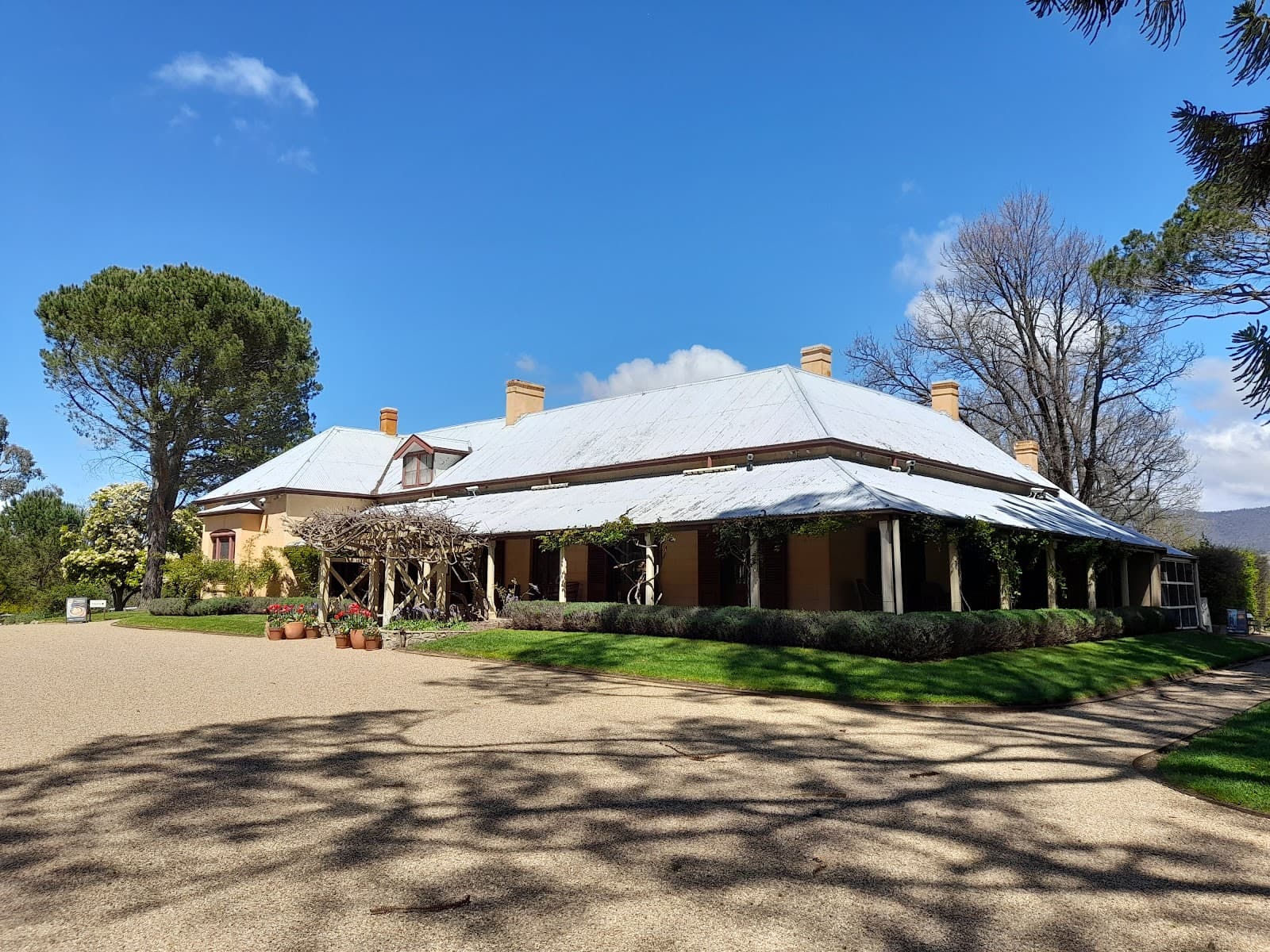
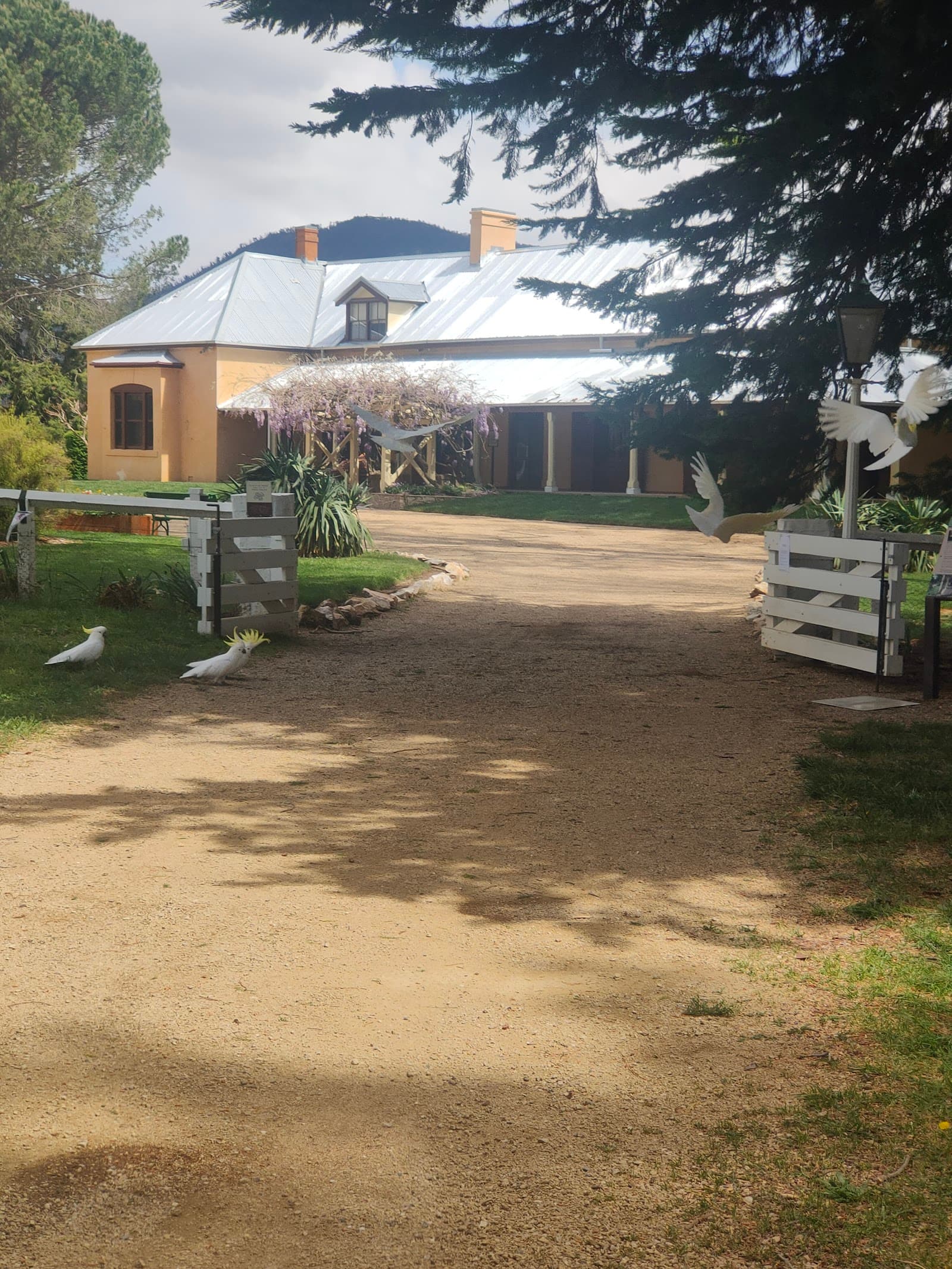
Lanyon Homestead offers a close look at the history of the Canberra region in a setting that combines a restored 1850s house, convict-era outbuildings, gardens and open views towards the hills beyond the Murrumbidgee River. At the heart of the property, the homestead gives visitors a sense of how the site changed over time, while buildings such as the Convict Barn help explain how the pastoral property operated. Entry to the house is by guided tour, helping protect its interiors and collections while adding context to what you are seeing.
The story begins before Canberra was established. The land has been cared for by Aboriginal people for millennia, with the open grasslands described by early European explorers shaped by fire-stick farming. The property’s later history includes James Wright and John Lanyon purchasing land in 1834, convicts working the estate, and Wright managing a largely self-sufficient community after his business partners and brother were no longer there. Later, the Cunningham family expanded the homestead, developed the gardens and made substantial Edwardian changes in the early twentieth century. The site’s buildings and landscape preserve parts of these overlapping histories rather than presenting a single, simple account of the past.
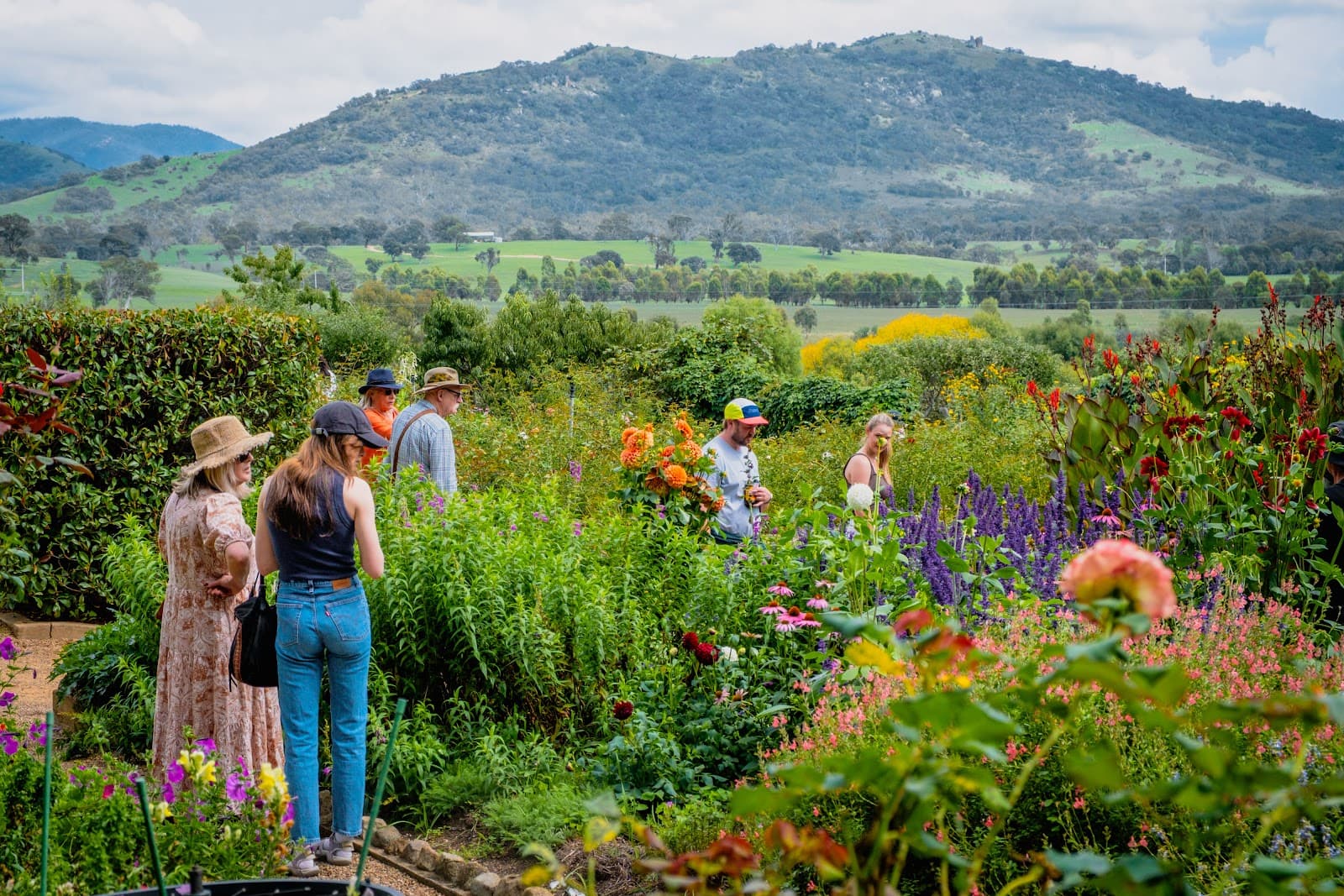
Outside the house, there is plenty of room to explore at an unhurried pace. Visitors can walk through the rambling gardens, investigate the outbuildings and take in the rural landscape. A picnic in the garden is an option, and refreshments are available on site, including coffee and house-baked treats while the cafe arrangements change. Payment facilities are limited to EFTPOS. The combination of open space and historical detail makes Lanyon a good choice for families, especially those using the Canberra Nature Play Passport, as well as visitors who prefer a slower museum experience than a conventional indoor collection.
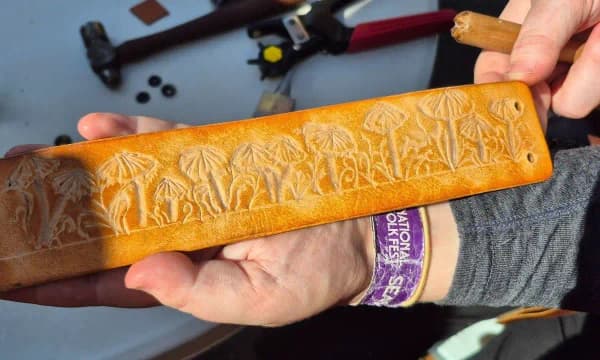
Lanyon also suits groups and couples looking for an outing with more to do than a house tour. The site runs events, exhibitions and practical programs, including traditional skills workshops, while its night-sky events have combined a meal with telescope viewing in partnership with Mt Stromlo Observatory. For a quieter visit, come for the gardens, views and history, or download the free interactive tour before or after you arrive. Located on Tharwa Drive in the Tuggeranong area of Canberra, Lanyon Homestead is a worthwhile stop for anyone interested in local history, heritage buildings, landscapes or the stories of the people who lived and worked here.
Spot Score
The Spot Score is our composite of five signals — two about the venue's standing with visitors and three about how complete and current this listing is. It is not a visitor rating and not a verdict on the food or the experience. The 4.5 from 386 reviews is Google's visitor rating, shown separately and never altered by us.
About the venue · from Google
- ReputationGoogle star rating, smoothed for review count
- 79
- PopularityHow many Google reviews it has
- 78
About this listing · our record
- Information qualityWebsite, menu and structured details on file
- 30
- Category fitHow well it matches its listed category
- 70
- FreshnessHow recently we last checked our sources
- 30
Last checked against sources 18 June 2026.
Our independent editorial score — not a user rating.
Nearby venues
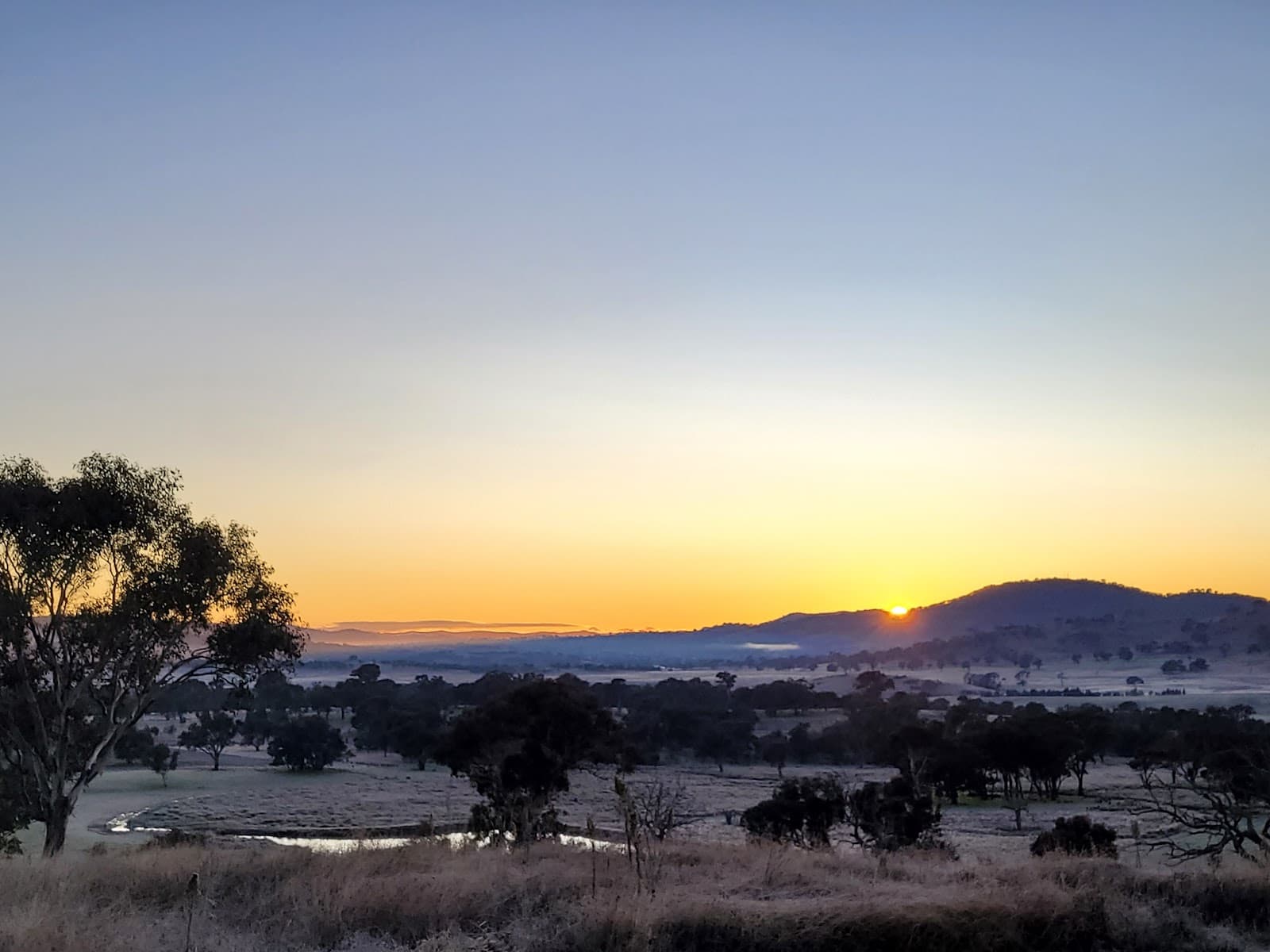
Lambrigg's Lookout
Lookouts in Barton, Canberra.

Lanyon Vikings
A Tuggeranong club with a bistro, cafe, sports bar, kids’ play area and views towards the Brindabella mountains.

Point Hut Pond District Park
A Tuggeranong park in Canberra within the Parks ACT network, rated 4.5 stars on Google from 395 reviews.

Anytime Fitness Lanyon
A 24-hour Lanyon gym with cardio, strength and functional equipment, personalised plans, personal training and access to clubs worldwide.
More museums in Canberra
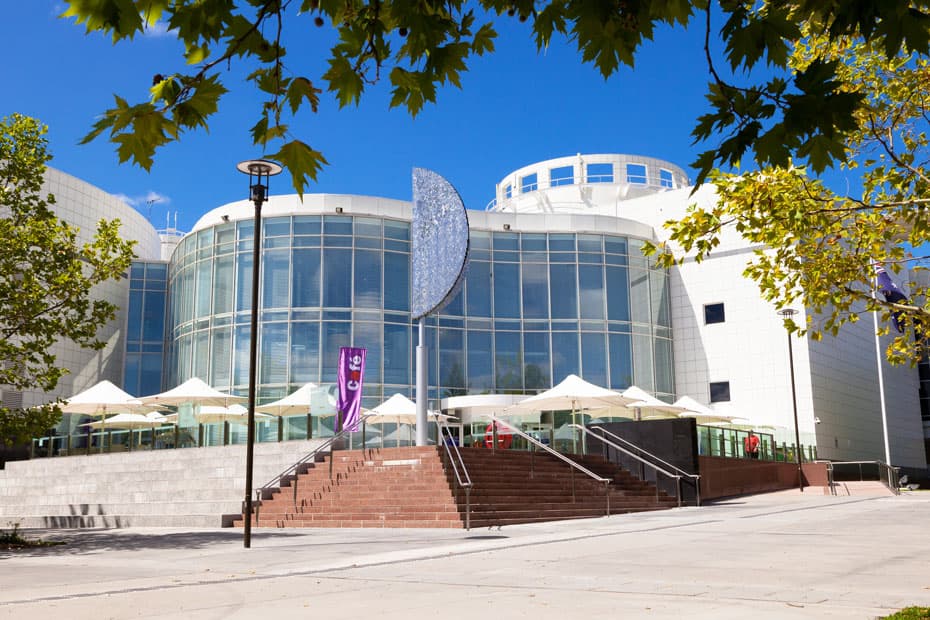
Questacon - National Science and Technology Centre
Hands-on science and technology museum for children in central Canberra, featuring interactive exhibits and live puppet shows.
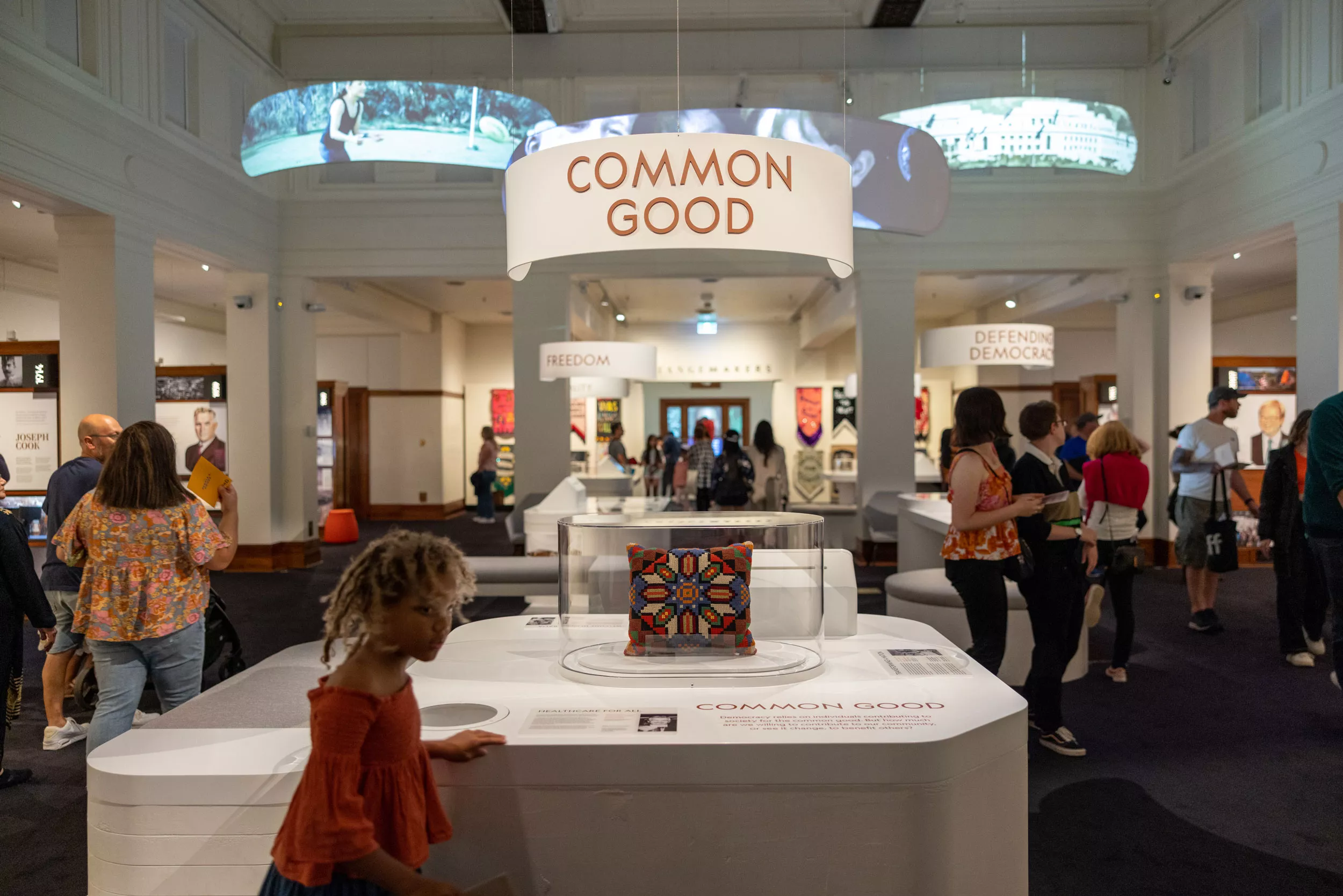
Old Parliament House
The former home of Australian Federal Parliament (1927–1988), now the Museum of Australian Democracy in Parkes.
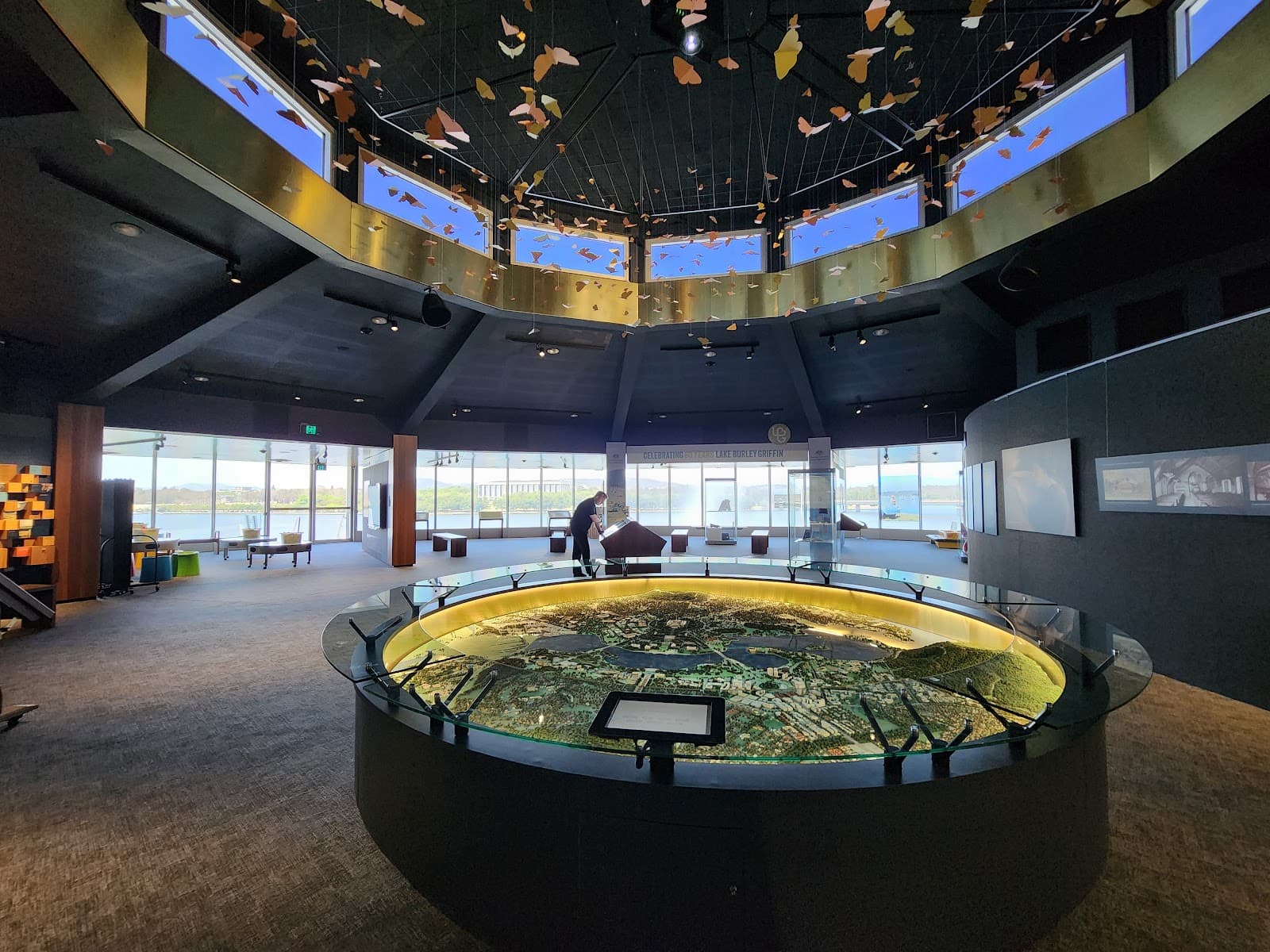
National Capital Exhibition
Popular visitor center featuring educational exhibits on how Canberra was designed & a city diorama.
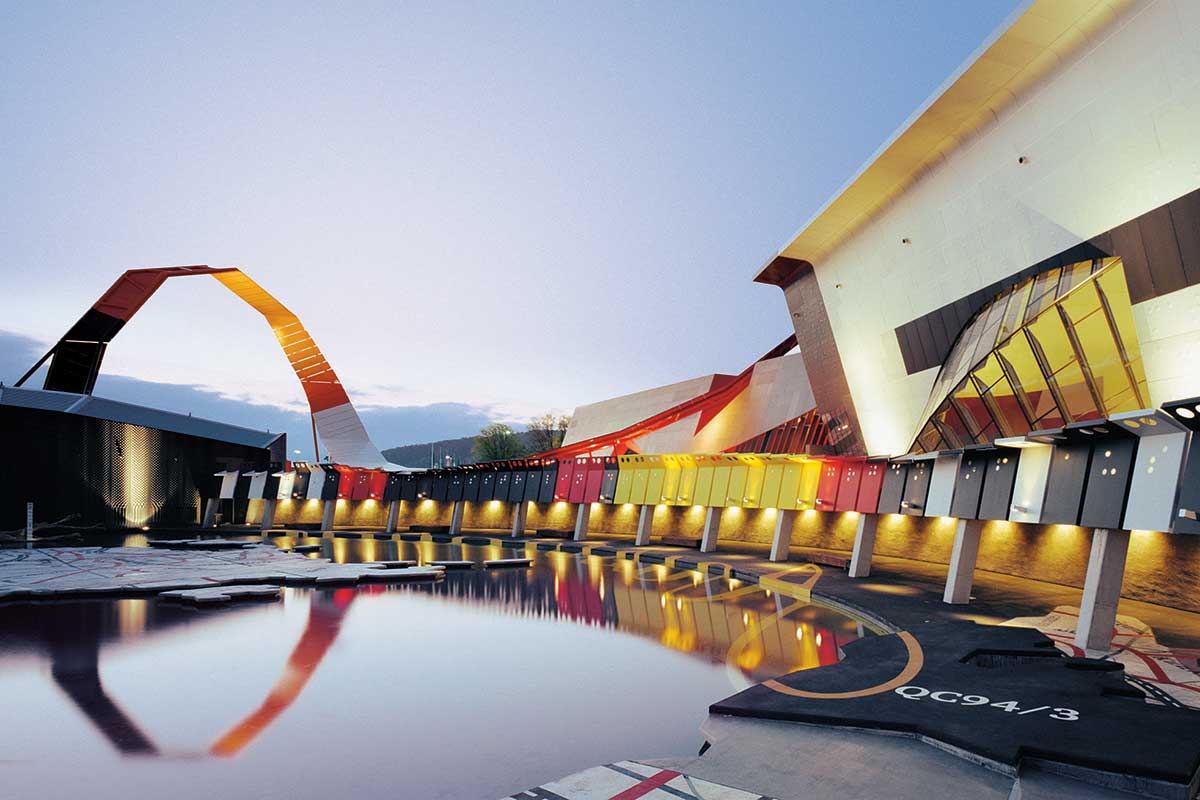
National Museum of Australia
Modern waterfront museum in Acton displaying artefacts spanning 50,000 years of Australian history and culture.